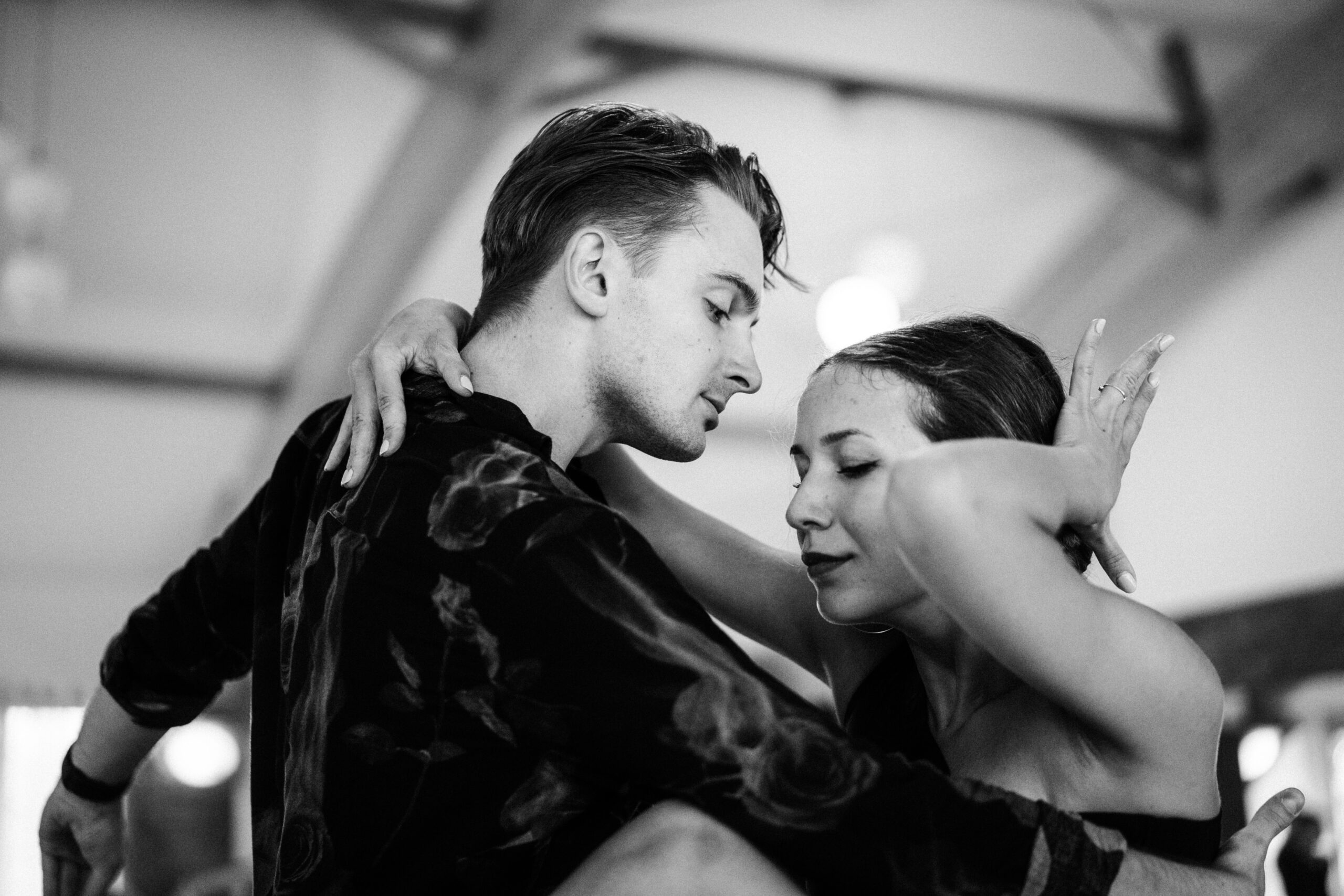
The flow state
Intrinsic motivation plays a significant role in personal development. It enables people to create something new, not in response to external rewards or pressure, but because of their own needs and values. Intrinsic motivation is a powerful driving force for creative activity.
The Hungarian-American psychologist Mihály Csíkszentmihályi (1934–2021) presented an original account of intrinsic motivation (Nęcka, 2023, p. 178). He introduced the concept of flow and described a theory of optimal experience: a state in which a person is so absorbed in what they are doing that nothing else matters (Csikszentmihalyi, 1990, pp. 75–77). The image of a wave captures its essence. The subjective feeling resembles being carried on a wave, with everything happening effortlessly and in harmony. There is joy, sometimes euphoria, while complete concentration allows the task to be performed at the highest level. Fatigue is felt only after the activity ends (Nęcka, 2023, p. 179). According to Csikszentmihalyi, flow is more likely when challenge and skill are balanced. The task should be demanding enough to engage us, but not so difficult that it causes frustration. Excessive difficulty brings anxiety; insufficient challenge brings boredom.
Flow is easier to achieve in areas aligned with a person’s interests and values. As a temporary state of consciousness distinct from ordinary awareness, it involves deep engagement in an activity, during which the sense of time and self fades. Attention and action become united. A person in flow concentrates entirely on the activity, without a separation between doing and thinking, and feels able to respond effectively to what happens (Csikszentmihalyi & Nakamura, 2018, pp. 102–114).
A key feature of flow is that it is an end in itself. It is an autotelic experience, rewarding in its own right (Csikszentmihalyi, 1990). What matters is the experience as a source of pleasure and satisfaction, rather than its outcome. People differ in how frequently and intensely they experience it, in sport, art, professional work and everyday activities. Research suggests associations with traits such as conscientiousness, self-efficacy and intrinsic motivation. It also points to the possibility that susceptibility to flow is partly heritable and that dopamine D2 receptors may be associated with the phenomenon (Nakamura & Tse, 2020).
Flow in dance
Flow in dance is a remarkable experience: deep engagement in movement, with body and mind forming a harmonious whole. Dance has accompanied humanity since its beginnings. In early cultures, it connected people with the supernatural world and was used to enter altered states of consciousness and profound spiritual experiences. It is possible that flow was experienced then. Flow in dance is rooted in each dancer’s individual perception and experience. Forgetting time and their surroundings, dancers immerse themselves in movement, experiencing fluidity, lightness, ease and freedom. Freed from constraints, they can experiment openly, supporting creativity and new movement solutions as well as developing dance skills. In flow, dancers feel their bodies more clearly and control their movements. Confidence in their abilities increases, encouraging exploration and the courageous presentation of their creations. Completely absorbed in dance, they feel great joy and satisfaction in the creative process. Research indicates that dancing in flow can provide a means of deeper self-understanding and expression (Gang & Zhang, 2024). It is a phenomenon that allows dancers to realise their artistic and emotional potential.
Flow is an exceptional human experience. It brings deep satisfaction and happiness and can become a turning point in life. People in flow perform better, and success in such activities strengthens belief in their abilities. Exploring the phenomenon and learning to enter this state may help develop personal potential and bring greater satisfaction and joy in life.
References
Nęcka, E. (2023). Psychologia: wprowadzenie. Wydawnictwo Naukowe Scholar.
Csikszentmihalyi, M., & Nakamura, J. (2018). Flow, altered states of consciousness, and human evolution. Journal of Consciousness Studies, 25(11–12), 102–114.
Nakamura, J., & Tse, D. C. (2020). Flow: Expression and applications. The Wiley encyclopedia of personality and individual differences: Clinical, applied, and cross-cultural research, 551–556.
Csikszentmihalyi, M. (1990). Flow: The psychology of optimal experience (pp. 75–77). New York: Harper & Row.
Gang, Y., & Zhang, B. (2024). Investigating the Relationship Between Dance Flow and Improvisation. Art and Society, 3(5), 72–78.
Watch Mihály Csíkszentmihályi’s TED talk: Flow, the secret to happiness